Covid-19 has affected businesses large and small. For many, it has been detrimental — creating a fiscal impact that will be felt for years to come. But for others, it has proven the catalyst to success, increasing demand for certain products and services at a scale never-before seen.
What remains indisputable, is the fact that the pandemic has seen levels of change that very few could have anticipated. While businesses overhauled their operations, implementing the infrastructure needed to accommodate the government-enforced work from home policy — their attention no doubt shifted temporarily, putting the usual day-to-day concerns to one side.
Some companies naturally attracted an increased customer base as the daily habits of people across the country changed beyond recognition, while others successfully pivoted their offerings – adapting with an initial goal to survive, but then were fortunate enough to thrive.
And in enjoying this unprecedented success, an increased tax bill may not have featured front of mind. But as the world begins its return to the ‘new normal’ – so too does the requirement to remain abreast of financial commitments.
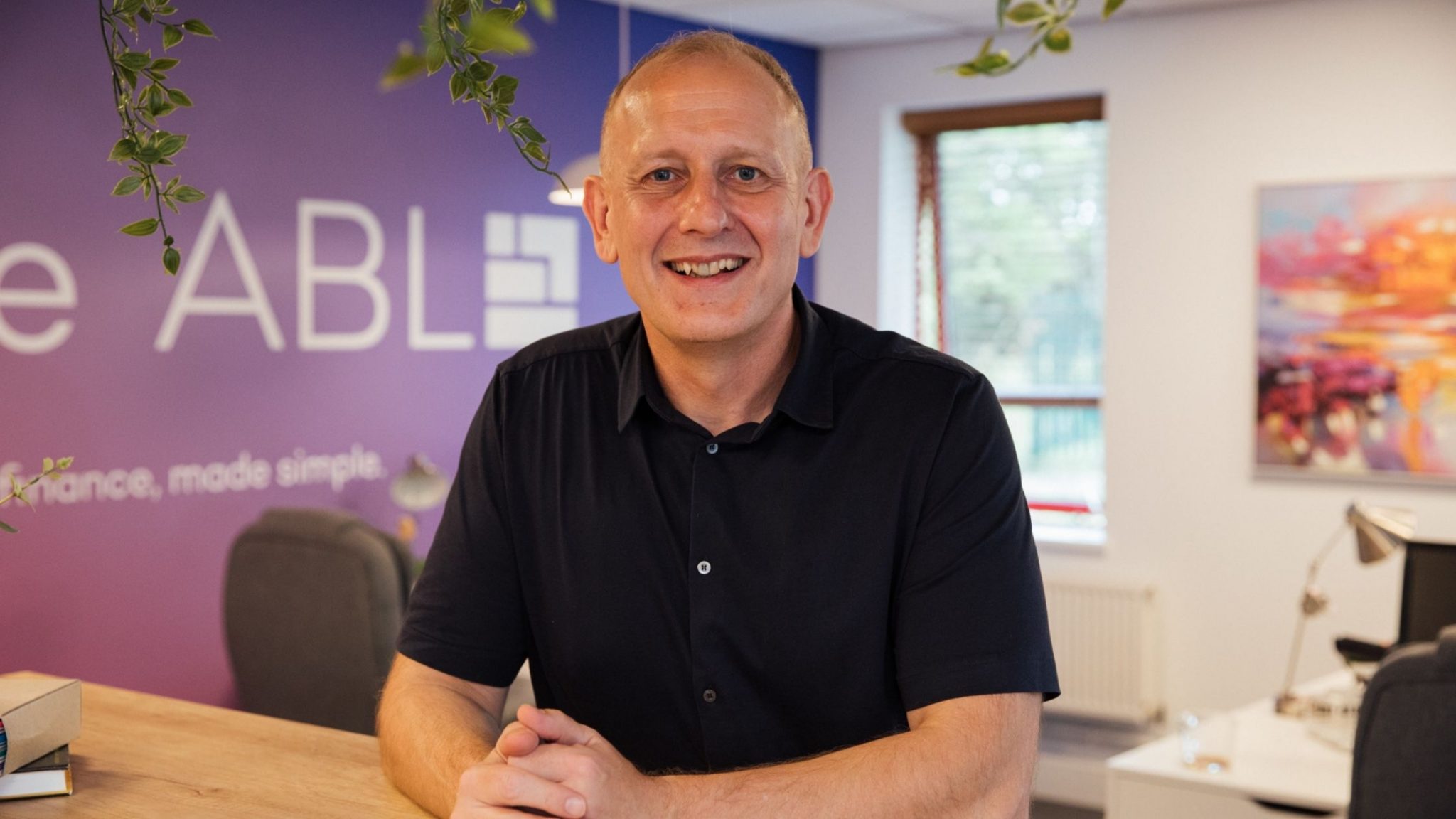
Andy Redman, joint managing director at finance facilitator ABL, explores how organisations large and small can budget effectively, remaining prepared for any unexpected events — to ensure that a positive increase in a company’s prosperity doesn’t ultimately equate to a tax-related conundrum.
The corporation tax lowdown
A requirement for incorporated businesses, corporation tax requires organisations to pay 19% of their taxable profits to HMRC. The amount owed is calculated by the government and is due for payment nine months after the company’s account year ends.
As the largest bill that most companies pay within the yearly calendar, it can often come with a dose of resentment as a significant chunk of an organisation’s hard-earned cash is seemingly signed away. But with late payment attracting large surcharges and fines, being organised and on-time when settling monies owed is vital. So, for those receiving a bigger bill than they were expecting, it can prove a tense period.
Spreading the cost
Fortunately, there is a little-known solution to the dilemma of a larger than expected tax bill. Spreading the cost out over six, ten or 12 months, can help to improve cashflow for businesses – who are able to retain funds to be used to support a company’s longer-term growth plans. The only requirement to access the scheme, is that the total of the bill must be £10,000 or more.
With this type of arrangement, a lender settles the fee on a firm’s behalf, and the organisation then makes fixed monthly payments to cover the cost. With no charge to use this facility, and no ongoing contracts, this can be used as a ‘one off’ or an ongoing means of payment every year. The only additional consideration is interest which will be factored into the recurring instalments.
Lessening the need to release sizeable funds from the account in one transaction, the company bank balance can consequently remain healthy while predictable sums can be allocated to tax purposes on a monthly basis.
VAT and self-assessment bills can also be approached in this way, meaning that there are never large lump sums to pay – helping businesses to plan their finances effectively in the lead up to major payment dates.
By taking advantage of the financial options on offer, organisations can improve their offering, retaining cash in the bank to enable continued investment in their products, people, and ongoing growth.
Lessen the burden
After what has been an unexpected couple of years, for many it will be a hopeful time as we begin to see a return to some level of normality. But taking into account the unprecedented nature of recent months and considering this in relation to financial planning moving forward, leaders can emerge with an optimistic mindset.
While it can be tempting to put off decisions around larger payments, in doing so companies will limit their opportunities to seek guidance and to make sound choices which will set their business up for future, sustainable prosperity and growth. Seeking advice on these elements, however, is a step in the right direction to ensuring that the future looks even brighter.
If you want to know more about your options, we are always happy to help, the ABL team is available on 01274 965356 or drop us an email.
If you want to find out further information about this topic you can get in touch with Andy via email or call him on 07824 391 007 to talk through your options.